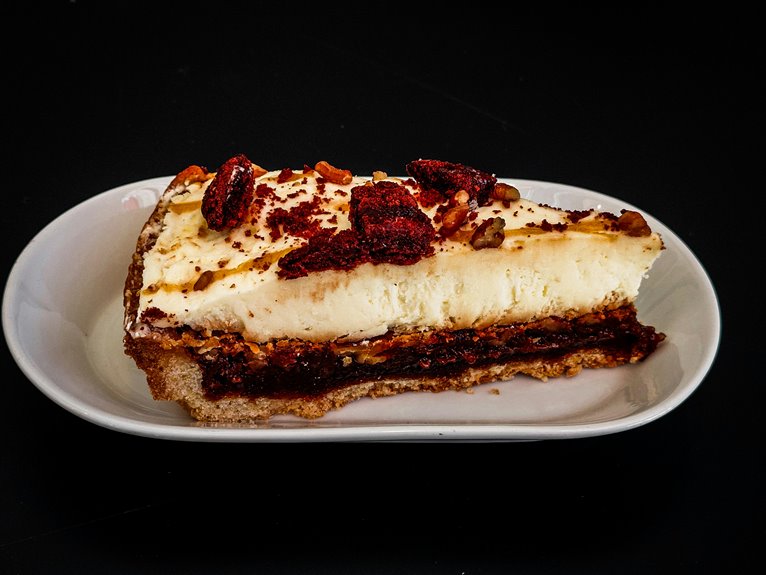
You’ll notice the difference at first—gluten-free cakes often feel denser, sometimes gummy, with earthy undertones from sorghum or almond flour. But here’s the thing: modern flour blends combining rice flour, potato starch, and calibrated xanthan gum have narrowed that gap considerably. When you nail the hydration, rest your batter, and extend bake times slightly, you’re crafting something remarkably close to traditional cake. The key? Precise technique improves results.
What’s Actually Different: Gluten-Free vs. Regular Cake
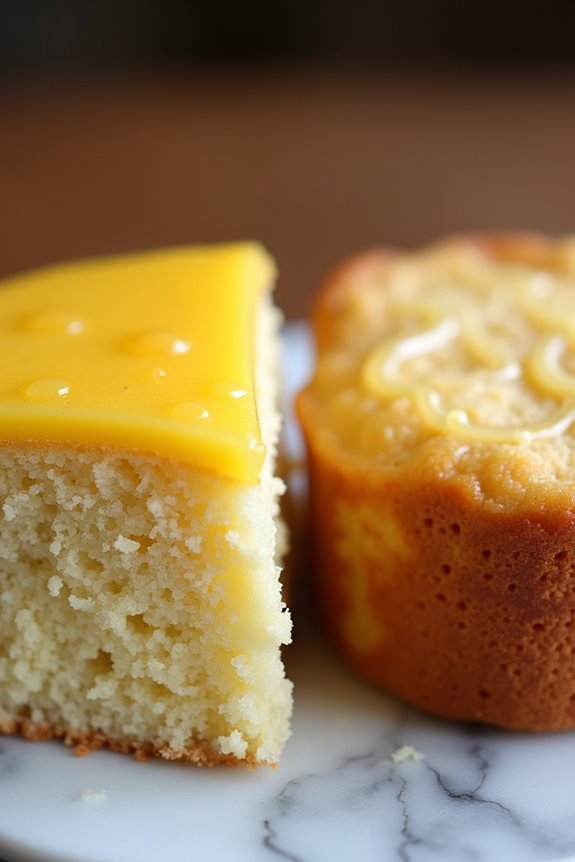
Why does that slice of gluten-free cake sometimes feel a touch different on your tongue? The answer lies in what’s missing—gluten itself—and how bakers compensate. You’re working with blends of white rice, potato, oat, and tapioca starch instead of wheat flour, which fundamentally changes structure. These gluten-free flours absorb more liquid, demanding careful hydration to avoid a gummy or disappointingly dry crumb. Bakers strategically employ xanthan gum and eggs as binding agents, mimicking gluten’s role. Extended bake times often become necessary. While texture nuances persist, flavor remains quite comparable when flour selection and hydration align well—your cake can taste equally rich and plush, just with a subtly different mouthfeel that many find equally satisfying.
Why Gluten-Free Cakes Taste and Feel Different
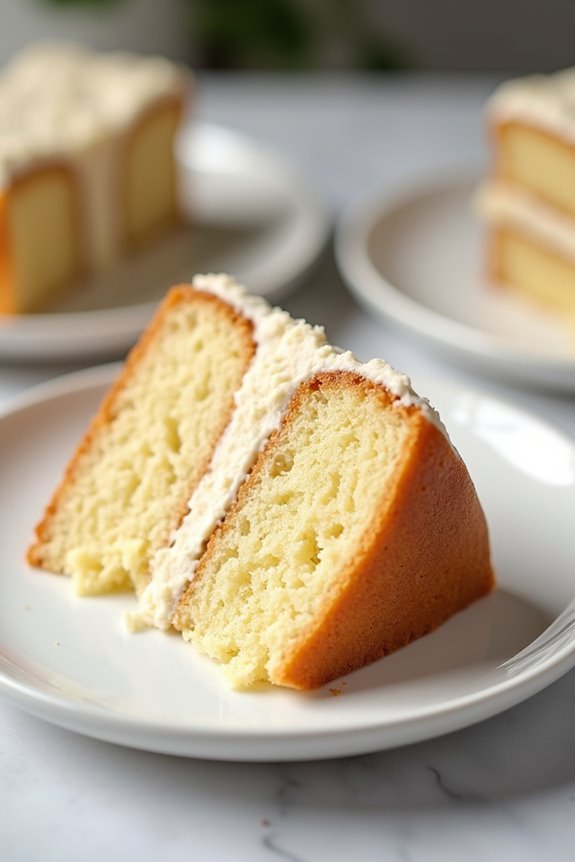
How does a cake change when you swap wheat flour for a blend of white rice, potato starch, and tapioca? You’re navigating a chemistry shift that fundamentally reshapes your dessert’s characteristics.
Gluten-free flours absorb liquid differently, requiring careful liquid adjustment to prevent either dense crumbs or gummy centers. Your binding agents—xanthan gum, eggs—work harder, creating texture that ranges from delicate to slightly grainy depending on your flour blends. Some gluten-free flours like sorghum introduce subtle flavor differences you’ll notice right away, adding earthy undertones absent in traditional wheat cakes.
Proper baking time becomes important; you’re extending minutes to achieve that coveted golden exterior while maintaining moisture. The resulting crumb structure feels lighter when balanced correctly, rewarding your attention with delicious results that honor both tradition and dietary needs.
How Modern Flour Blends Close the Taste Gap
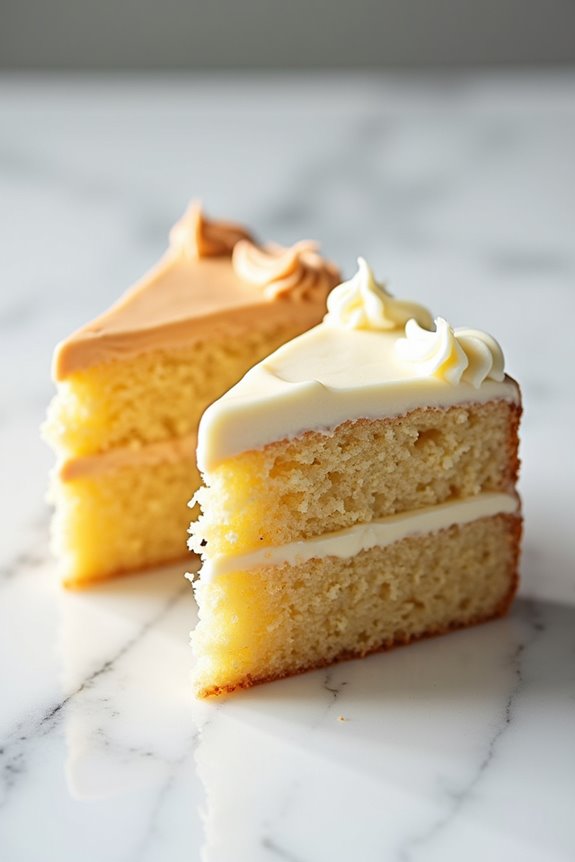
Modern gluten-free blends have transformed what’s possible in your kitchen. Today’s sophisticated mixes—combining rice flour, potato starch, and carefully calibrated binding agents like xanthan gum—deliver texture and taste that rivals traditional cake. You’re working with formulations that replicate gluten’s structural properties, creating that tender crumb you want. These blends absorb moisture differently than wheat flour, so you’ll adjust liquids and baking time slightly, but the results are worth the effort. Pre-made options offer consistency and convenience, eliminating guesswork. When you want to fine-tune results further, swapping in sorghum or almond flour lets you customize moisture balance and tenderness to your exact preferences, shifting baking from compromise into creative control.
The Techniques Bakers Use to Match Traditional Texture
Master gluten-free baking by treating it less as compensation and more as precision science—because that’s exactly what separates a dense, disappointing cake from one that rivals your grandmother’s yellow cake. You’ll discover that texture matching demands specific techniques:
- Precise weighing of gluten-free flours, binding components, and starch blends instead of volume measurements
- Strategic hydration adjustment—your batter absorbs more liquid, requiring extra moisture and leavening for proper rise
- Resting batter before baking to allow complete hydration and softening of your crumb structure
Many bakers incorporate xanthan gum or eggs to replicate gluten’s elasticity, though gum-free options work well with optimal mixing and tailored baking times. This approach prevents gumminess while achieving tender crumbs that satisfy everyone at your table—baker and guest alike.
Can You Really Tell the Difference?
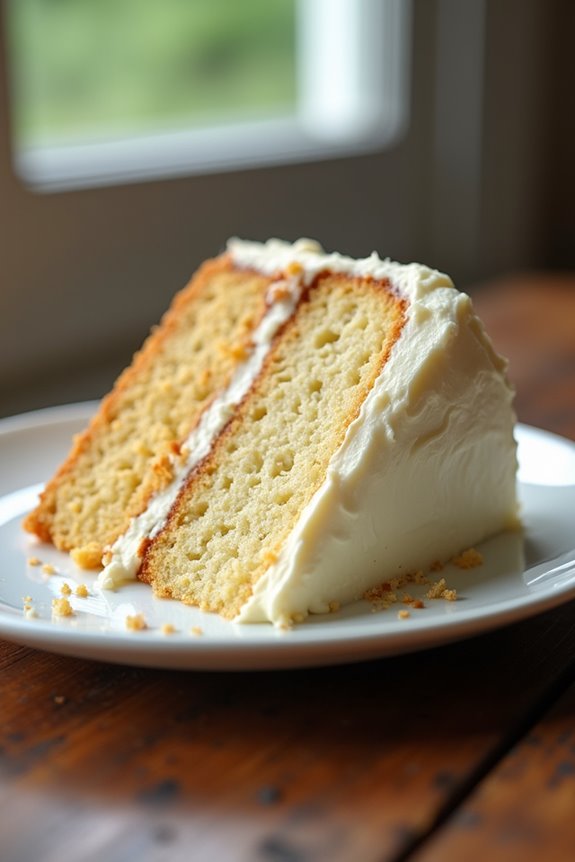
When you slice into a properly crafted gluten-free cake alongside a traditional one, you’ll notice something remarkable—the differences aren’t always obvious at first glance. Your perception shifts when bakers nail the formula: strategic gluten-free blends, precise hydration ratios, and binding agents like xanthan gum work together smoothly. The cake texture becomes indistinguishable from wheat flour alternatives, while flavor variance depends entirely on your chosen gluten-free flours. Some blends deliver vanilla or chocolate tastes identical to conventional cakes; others introduce subtle nutty undertones. You’re not experiencing a compromise—you’re tasting innovation. Well-designed recipes prove that gluten-free doesn’t mean sacrifice. The real difference? You’ll likely reach for seconds, joining countless others who’ve discovered that exceptional gluten-free cakes belong on every table.