
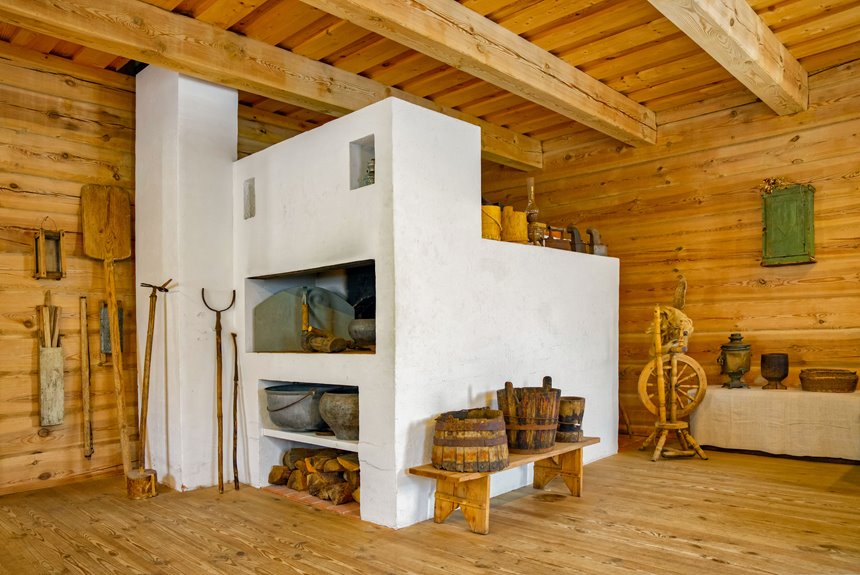
Primitive decorating rejects polished mass-production in favor of authentic storytelling through worn wood, weathered textiles, and genuinely lived-in spaces. You’re building rooms around imperfection—chipped edges, faded paint, natural fibers like jute and wool—that whisper history rather than shout. Think barnstars, hand-quilted blankets, reclaimed furniture earning its place through function, not flash. Soft creams and warm grays ground the aesthetic while layered throws and candlelit corners invite lingering. The real substance lies in understanding how restraint converts clutter into narrative.
Defining Primitive Decorating: American Roots and DIY Soul
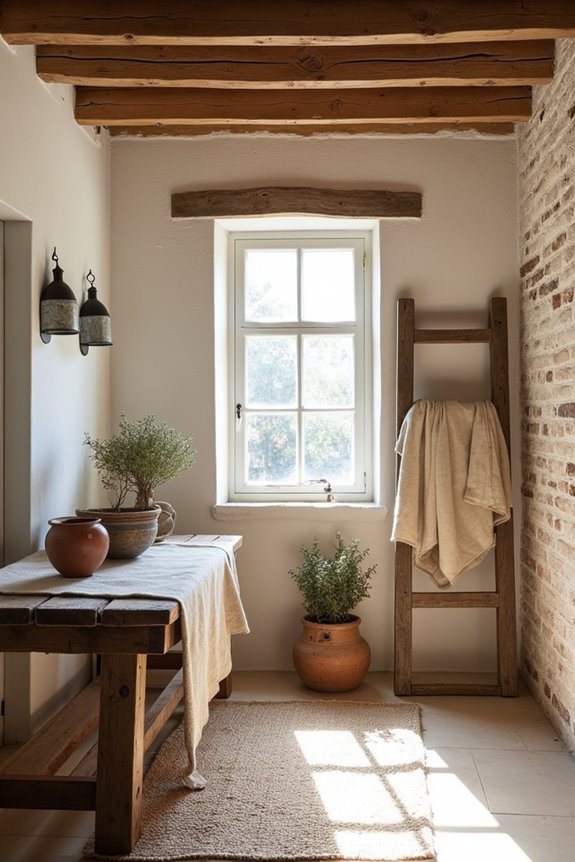
Authenticity—that’s what primitive decorating is really about, and it’s the antidote to mass-produced, cookie-cutter interiors that lack soul. You’re drawn to Americana because it whispers stories of farmhouses, quilting circles, and honest craftsmanship. This DIY aesthetic celebrates imperfection: weathered barn wood, hand-stitched pillows, vintage metal signs bearing the patina of decades. You reject the sterile perfection of contemporary design, instead embracing worn finishes and found objects that reveal their history. Primitive style roots itself in American folk traditions, where handmade details—braided rugs, primitive dolls, rustic stars—become declarations of individuality. It’s not about acquiring expensive reproductions; it’s about discovering treasures at flea markets, restoring forgotten pieces, and infusing your space with genuine character. You’re building a home that feels lived-in, loved, and genuinely yours.
What Actually Looks Primitive: Stars, Quilts, and Americana
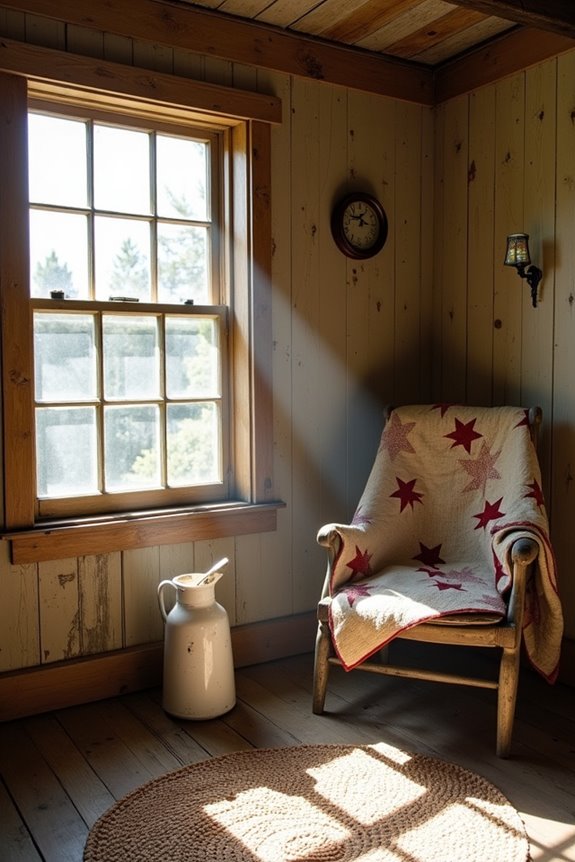
What makes something unmistakably primitive—that instant visual recognition that says “folk art,” not “mall decoration”?
You’re drawn to specific elements that convey authenticity:
You’re drawn to specific elements that convey authenticity: weathered wood, handmade signs, traditional textiles—each telling its own story.
- Barnstars and weathered wood frames paired with pip berry garlands create that lived-in charm you’re seeking
- Handmade signs with imperfect lettering telling stories through faded paint and aged surfaces
- Quilts and textile patterns displaying traditional Americana motifs—stars, sheep, willow trees—stitched by hand
These pieces don’t shout; they invite. When you hang a barnstar above an antique window or display handwritten wooden signs throughout your space, you’re not decorating—you’re building a narrative. The worn finishes and folk-art influences create rooms that feel genuinely inhabited rather than styled. You belong in spaces where rustic, handcrafted items celebrate imperfection, where natural materials tell their own stories through time and use.
The Primitive Palette: Warm Neutrals and Earth Tones
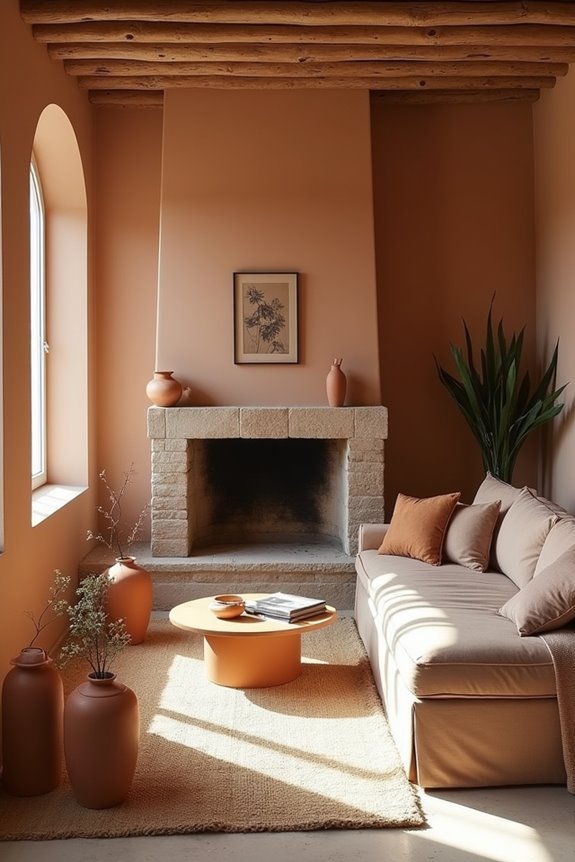
You’ll ground your primitive spaces with soft neutrals—creams, warm grays, and pale taupes—that create a serene foundation without demanding attention. Layering deeper earth tones like burnt sienna and weathered charcoal as accents adds visual interest and depth, preventing your room from feeling flat or monotonous. These natural hues work together to wrap your home in genuine warmth, the kind that feels lived-in and belongs to you rather than freshly purchased from a showroom.
Soft Neutrals Ground Spaces
How do you create a room that feels simultaneously sophisticated and authentically lived-in? You begin with soft neutrals—creams, warm grays, and soft taupe—as your foundation, allowing these calming bases to anchor your space while you layer in character.
Your soft neutrals work best when paired with natural materials:
- Jute rugs and wool throws that invite touch and warmth
- Reclaimed wood shelving displaying weathered finishes with honest imperfections
- Unfinished cotton textiles that soften hard edges
These grounding hues—combined with warm earth tones like ochre and burnt sienna—create an inviting atmosphere that doesn’t demand attention. Instead, your palette speaks softly, drawing people in with understated elegance. You’re building a space that honors authenticity, where muted foundations let your genuine self emerge naturally.
Earthy Accents Add Depth
The layering of deeper, richer tones—burnt sienna, terracotta, ochre, and warm chocolate brown—across your neutral foundation creates visual interest and emotional warmth. These earthy accents remain restrained, offering sophistication through primitive decor pieces like a weathered rust-colored pottery vessel or a deep-toned woven throw. You’re building a narrative of authenticity, where natural textures—jute, aged wool, reclaimed wood—gain prominence through color contrast. A terracotta accent wall or ochre-tinted linen pillow shifts your space from monotone to multidimensional. These earthy tones anchor your room in warmth and belonging, making spaces feel lived-in rather than staged. This layering approach creates depth that invites people in, establishing a sanctuary that celebrates honest, unpretentious beauty.
Natural Tones Create Warmth
Building on those rich accents, the foundation of primitive style’s warmth rests on a carefully selected palette of natural tones—soft creams, warm beiges, pale khaki, and weathered taupe—that anchor your space without demanding attention. These understated hues create an inviting backdrop, allowing rustic textures and handmade pieces to shine.
You’ll discover that natural tones work like a gentle embrace:
- Soft neutrals calm the eye while layering depth through subtle variations
- Warm beiges and creams pair effortlessly with wood, jute, and wool materials
- Weathered taupe tones echo aged finishes that celebrate imperfection
This strategic palette doesn’t overwhelm—it whispers. When you layer these natural tones across walls, textiles, and furnishings, you’re crafting a lived-in sanctuary that feels genuinely yours, where comfort and belonging intertwine with grace.
Essential Materials: Natural Fibers, Reclaimed Wood, and Handmade Details
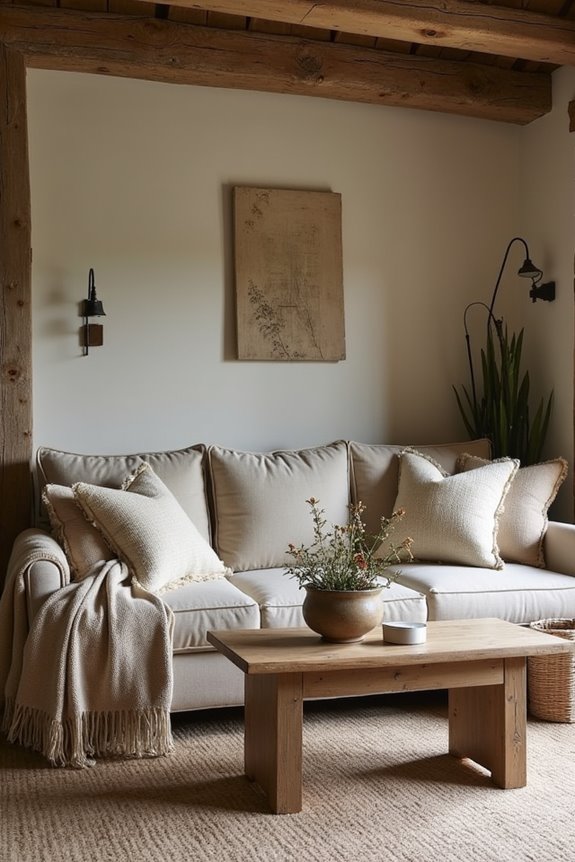
When you layer natural fibers—jute, wool, and cotton textiles—you’re creating a tactile foundation that invites touch and anchors your space with authentic warmth. Reclaimed wood elements and handcrafted pieces become your style’s backbone, each worn edge and weathered surface telling stories of genuine craftsmanship rather than factory uniformity. You’ll discover that these materials work together, transforming your home into a space that feels both thoughtfully designed and lived-in.
Natural Fiber Foundation
At its heart, primitive decorating rests on natural fibers and reclaimed materials—jute, linen, weathered wood, and hand-forged metal—that you’ll recognize by their unmistakable textures and honest imperfections. These aren’t polished showpieces; they’re materials that tell stories through visible wear and authentic patina.
- Braided jute rugs anchor rooms with earthy warmth and tactile appeal
- Homespun linen textiles showcase irregular weaves that celebrate handmade craftsmanship
- Reclaimed wood pieces display original chipped paint and natural grain variations
When you choose natural fiber foundations, you’re investing in sustainability and character. Weathered finishes on wooden tables or the uneven surfaces of hand-loomed fabrics create depth that mass-produced decor simply can’t replicate. You’re joining a community that values craft over convenience, belonging to spaces that breathe authenticity rather than trend.
Handcrafted Wood Elements
Wood—whether salvaged from a 19th-century barn or left unfinished from the craftsperson’s hands—becomes the skeleton of primitive spaces, anchoring rooms with warmth that factory-produced furniture simply can’t match. You’ll notice how reclaimed wood beams, weathered barn doors, and chunky shelving units establish that valued lived-in authenticity. Handcrafted finishes tell stories; knots, grain variations, and intentional tool marks become design features rather than flaws. Wood signs—hand-painted with fading lettering or burned script—add personal narrative to your walls. Each piece you select celebrates imperfection, inviting you into a community that values handmade character over polished perfection. These elements don’t just furnish rooms; they carry histories of human hands, genuine craftsmanship, and belonging.
Why Imperfection Matters: Worn and Weathered Finishes
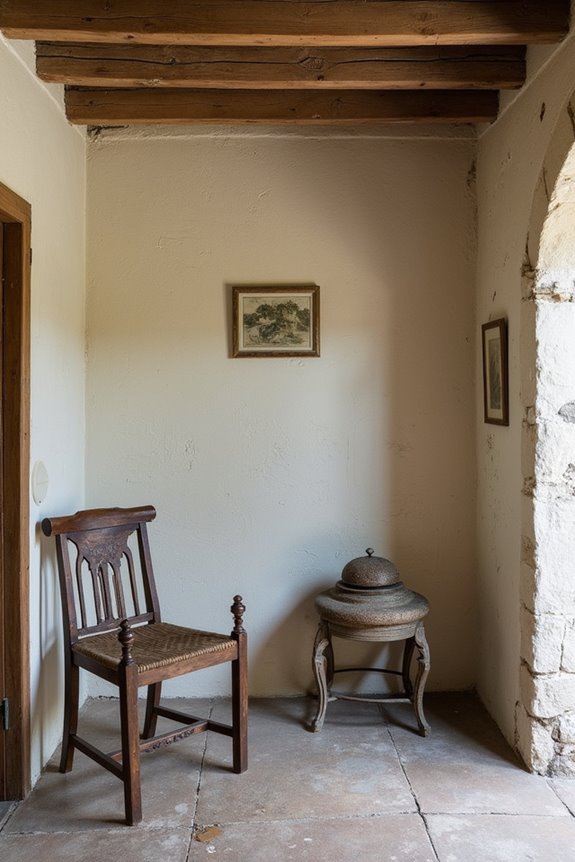
Why do we spend so much energy sanding away character?
Why do we spend so much energy sanding away character when imperfection holds such profound beauty?
In primitive decorating, you’re invited to embrace what makes pieces authentically yours—the chipped edges, the uneven grain, the stories worn into wood over decades. Weathered finishes aren’t mistakes; they’re invitations to slow down and appreciate genuine materials. Your worn texture becomes a conversation starter, a tactile reminder that beauty doesn’t require perfection.
Consider what draws you to this aesthetic:
- Authenticity over polish — Natural matte surfaces reveal honest craftsmanship instead of hiding behind glossy pretense
- Layered history — Each scratch and fade mark represents actual living, creating rustic character that manufactured pieces can’t replicate
- Textural richness — Braided jute against weathered wood creates sensory depth that connects you to handmade traditions
You’re not settling for imperfection; you’re celebrating the profound beauty of lived-in spaces.
Make Every Piece Count: Functional Decor That Works
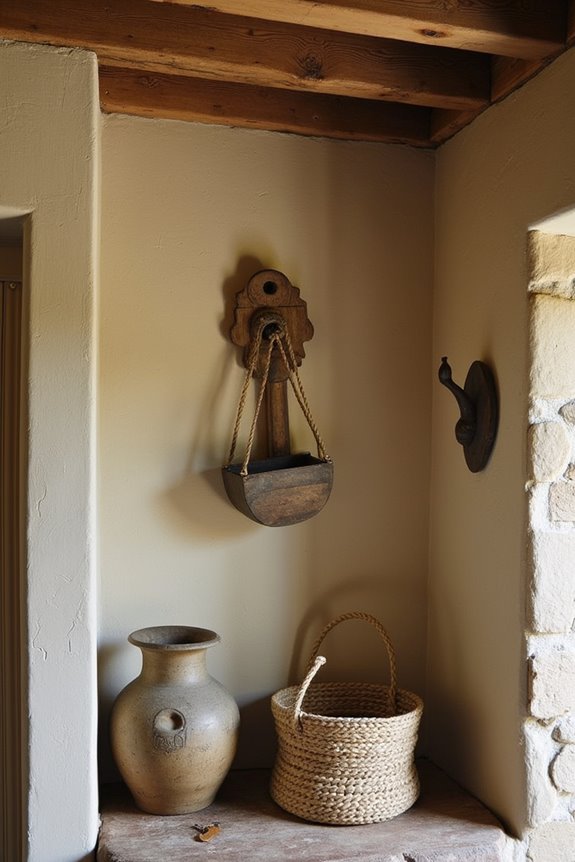
How often do you bring something into your home simply because it looks lovely, only to realize it’s collecting dust six months later? Primitive decor rejects this waste entirely. Instead, you choose pieces that earn their place—a braided wool rug that anchors your living room while defining traffic patterns, a storage bench that holds blankets and serves as extra seating, a drop-leaf table that expands when guests arrive. This is functional decor at its core. Through textured layering of throw blankets, pillows, and varied textiles, you create warmth without clutter. Every item serves a purpose, blending function with beauty. You’re not decorating for appearance; you’re building a home where nothing is unnecessary, where deliberate choices guide every decision, and where comfort means surrounding yourself with pieces that hold real value.
Lighting for Primitive Spaces: Lanterns, Sconces, and Soft Glow
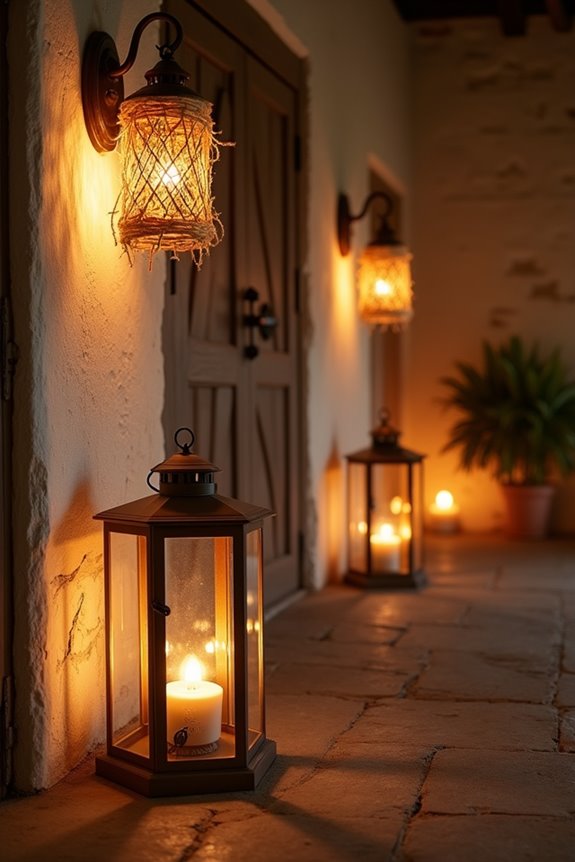
When’s the last time you noticed how a single candle transforms a room—softening edges, warming skin tones, inviting you to linger longer than you intended?
That’s primitive lighting’s appeal. You’ll abandon harsh overheads for layered, intimate illumination that celebrates imperfection rather than exposing it.
Your lighting toolkit:
- Tin or iron sconces mounted on walls—vintage charm without clutter
- Lantern-style fixtures and battery-powered candles mimicking authentic candlelight
- Warm-toned table lamps creating ambient pools of golden glow
This approach shifts spaces through forgiving light that highlights worn wood grain, textured braids, and handmade accents. You’re not just illuminating; you’re building atmosphere. The understated aesthetic demands ambient rather than task lighting, allowing natural fibers and layered textures to breathe. You’ll discover how strategic placement—sconces flanking mirrors, lanterns on side tables—creates depth without visual noise. This intentional softness invites belonging.
Choosing Furniture That Lasts: Simple, Sturdy Pieces
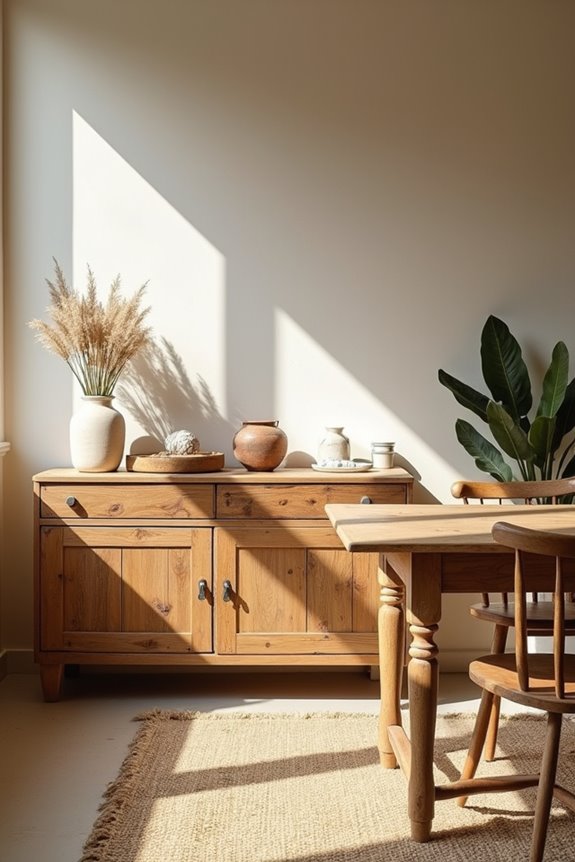
Once you’ve crafted lighting that softens and invites, you’ll notice something else matters just as much—the furniture itself. Your primitive space deserves pieces that earn their place through honest utility and enduring quality.
Seek sturdy, simple furniture—reclaimed wood tables, drop-leaf designs, gateleg surfaces—that whisper stories rather than shout for attention. These durable furniture selections anchor your home with authenticity while offering genuine function. Consider rustic storage like freestanding cupboards or weathered benches that transform clutter into character.
Skip mass-produced items. Handcrafted pieces connect you to artisans’ hands, their skill evident in worn finishes and natural wood grain. You’re not just decorating; you’re building a sanctuary where every object belongs, where nothing feels rushed or disposable. This intentionality—choosing what lasts—creates a home that reflects who you’re becoming.
Layer Warmth and Texture: Textiles That Define the Look
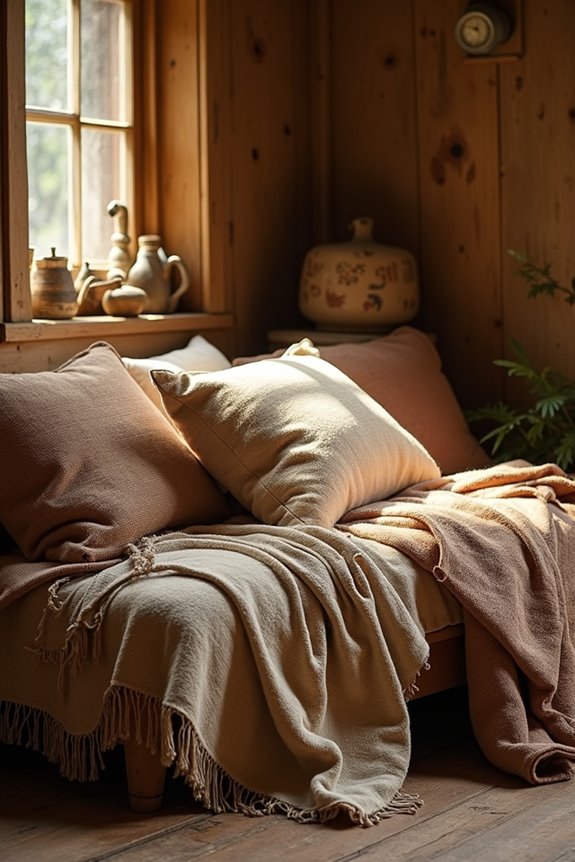
Texture brings a primitive room from sparse to welcoming—it’s the difference between a space that feels austere and one that wraps around you like a well-worn quilt. You’ll layer warmth through deliberate textile choices that anchor your primitive aesthetic while delivering real comfort.
- Braided jute rugs paired with chunky woven blankets create tactile depth
- Earth-toned throws in linen and cotton reinforce authenticity and lived-in charm
- Handmade pillows featuring natural fibers add functional coziness
Your textiles—soft grays, warm browns, muted ochres—tell a story of enduring appeal. Drape throws across distressed wood furniture, scatter pillows with visible stitching, hang linen curtains that filter light gently. These aren’t decorative afterthoughts; they’re foundational elements that turn bare rooms into spaces where you belong, where comfort meets character.
Modern Primitive: Blending Rustic With Contemporary Design
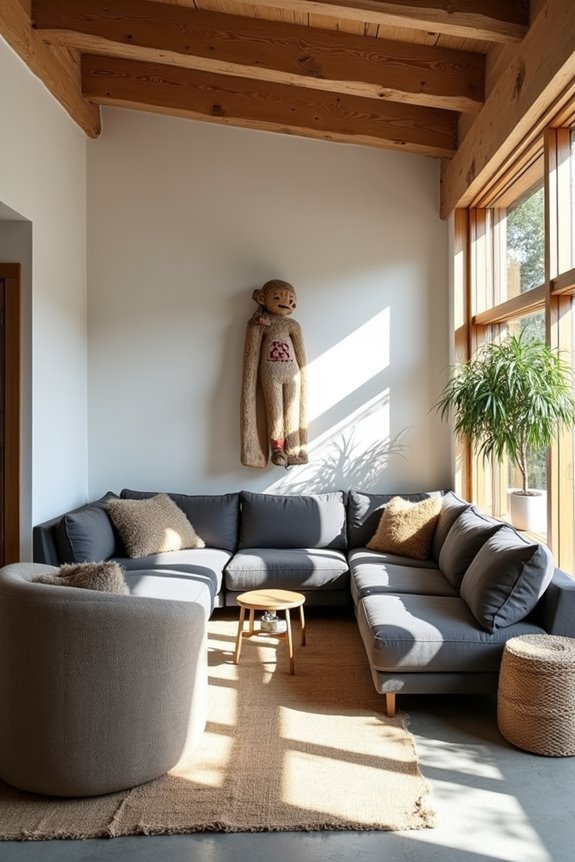
As you’ve layered warmth through handmade textiles and distressed finishes, you’ve built a foundation that feels authentically lived-in—but modern primitive takes that cozy, storied aesthetic and strips away the heaviness, creating something revitalized without sacrificing soul. This rustic-meets-contemporary approach honors handmade authenticity while embracing cleaner lines and breathing room. You’ll notice softer color palettes—warm creams, soft grays, muted ochres—replacing darker, heavier tones that once defined primitive decor. Rather than crowding shelves with every treasured find, you select thoughtfully, letting each handwoven basket or wrought-iron piece breathe. The result? A space that whispers rather than shouts, where visible imperfections and genuine wear tell stories without demanding attention, inviting you into a design philosophy that feels both timeless and current.
Five Mistakes That Kill the Primitive Aesthetic
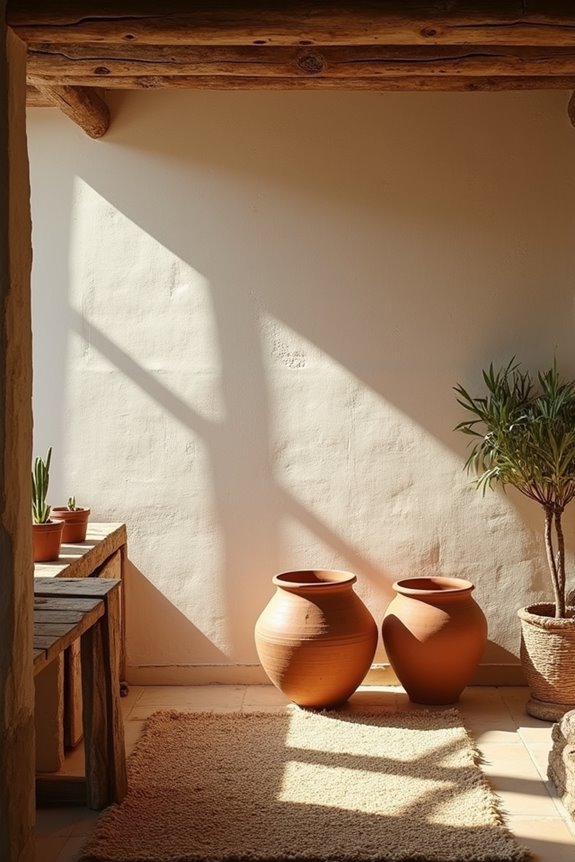
You’ll quickly undermine primitive authenticity by over-styling your space with sleek finishes and perfectly matched mass-produced pieces—these polished elements betray the weathered, handmade soul that makes the style work. Stuffing rooms with too many modern accents, bright cool-toned colors, and synthetic materials like plastic displaces the warm, nature-inspired muted palette that grounds the aesthetic. Instead, you’re seeking that lived-in balance where distressed wood, natural jute and wool textiles, and intentional restraint let your space breathe and tell a genuine story.
Over-Styling Kills Authenticity
Why does a room filled with primitive decor sometimes feel sterile instead of soulful? You’re likely over-styling—layering too many polished elements that contradict the very authenticity you’re chasing.
When you crowd surfaces with curated accessories, you bury the worn textures and handmade charm that define primitive decor. High-gloss finishes clash violently against aged wood; sleek metallics fight weathered paint. You’re creating visual noise instead of narrative.
Consider what kills the character:
- Repeating themed motifs—too many angels, barnstars, crows—that feel manufactured rather than discovered
- Excessive accessorizing that hides braided rugs and cotton textiles beneath clutter
- Missing distressed finishes, chipped paint, sanded edges that whisper history
The solution? Embrace restraint. Let worn surfaces breathe. Your primitive space should feel lived-in, not styled—authentic rather than over-polished.
Clutter Destroys The Vibe
A room drowning in too many motifs—barnstars clustered on walls, angels perched on shelves, rag dolls lined up like soldiers—stops whispering its story and starts screaming for attention instead. You’re undermining the primitive aesthetic by mixing competing elements without breathing room. The authenticity you’re chasing requires restraint. Instead of filling every surface, you’ll select pieces with purpose—a weathered wooden bowl here, a faded textile there. Space matters as much as objects do. Strip away what doesn’t serve the narrative. Your primitive room thrives when clutter surrenders to simplicity, when jute and worn iron speak louder than crowded shelves. Less becomes the visual equivalent of listening closely—it invites people in rather than overwhelming them.
Modern Elements Break Balance
Once you’ve mastered the art of restraint, the real challenge emerges: keeping modern intruders from sabotaging what you’ve built. You’ll recognize the threat immediately—sleek chrome fixtures, glossy surfaces, and contemporary shapes clash violently against your distressed woods and hand-crafted treasures.
The balance you’re protecting demands vigilance:
- Swap sharp LED panels for warm lantern-inspired lighting with aged metal textures
- Replace mass-produced store décor with pieces boasting visible hand-crafted details and authentic stories
- Avoid ultra-minimalist furniture that strips away the cozy, layered richness primitive style craves
Your primitive sanctuary thrives on muted, nature-inspired tones—not saturated colors demanding attention. When you introduce modern elements carelessly, you undermine everything you’ve cultivated. The authentic aesthetic you’re building deserves protection from contemporary intrusions that erode its soul.
Shop Smart: Finding Authentic vs. Mass-Produced Pieces
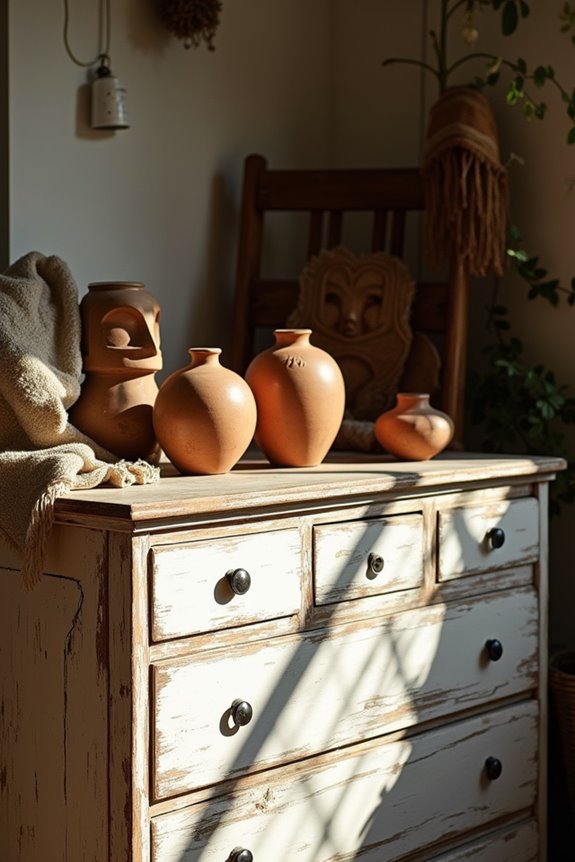
How do you spot the real deal when you’re hunting for primitive decor? Start by examining materials closely—authentic craftsmanship reveals itself through natural fibers like jute, wool, and reclaimed materials rather than plastic or glossy finishes. Compare similar items side by side; genuine primitive pieces show individual variations and imperfections that mass-produced knockoffs lack. Look for weathered surfaces, chipped paint, and worn textures—these honest signs of age tell stories that factory uniformity never can. Seek functional items with layered textiles: braided rugs, quilts, woven baskets. When you hold a handmade piece, you’ll feel the difference in weight and construction quality. Authenticity speaks for itself; genuine primitive decor carries purpose and character that imitation simply cannot replicate.
Building Your Primitive Home: Where to Begin
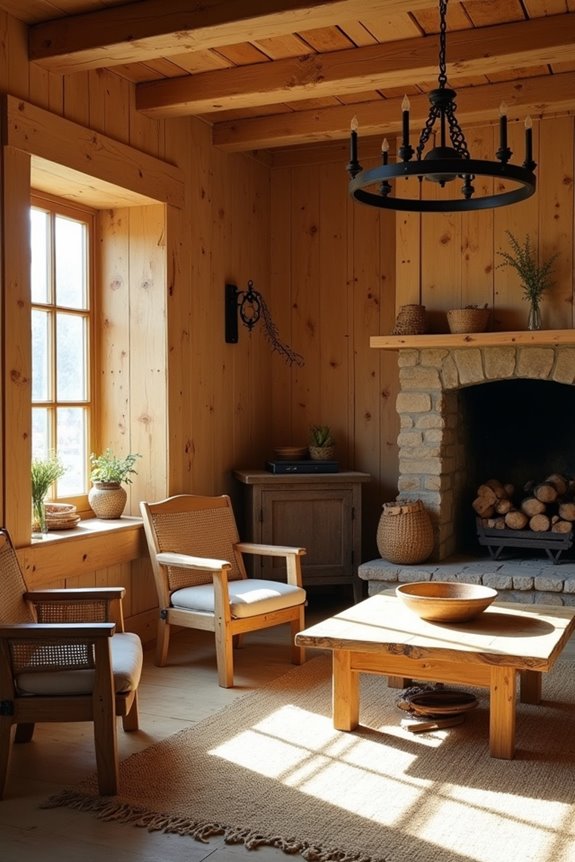
Where should you actually start when you’re ready to transform your space into something authentically primitive? Begin by assessing what you already own—vintage quilts, distressed finishes on wooden furniture, or inherited treasures deserve prominence in your new aesthetic.
Your foundation matters. Consider these essential first steps:
- Establish a neutral base using soft creams, warm grays, and muted taupes across walls and larger furniture pieces
- Source authentic rustic materials like reclaimed barn wood, jute rope, and hand-spun wool textiles that tell genuine stories
- Introduce distressed finishes gradually through key pieces rather than overwhelming your space with aged surfaces
This intentional approach—layering history with restraint—creates that lived-in comfort without feeling cluttered or contrived. You’re building a sanctuary that whispers rather than shouts its character.