
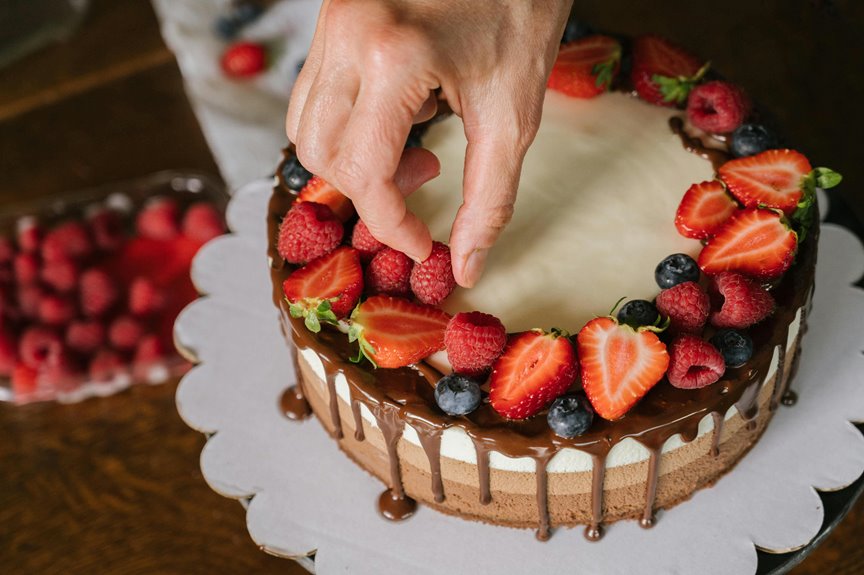
You’ll want to wait until day two before considering soft options like angel food or sponge cake—those first 24 hours protect your blood clots. By week two, you’re ready for gentle varieties served at room temperature, cut into thumbnail-sized pieces, chewed slowly away from extraction sites. Avoid anything crunchy, sticky, or topped with nuts; rinse with warm salt water afterward. Stop immediately if pain, swelling, or persistent bleeding occurs—your dentist needs to know. The specifics of texture, timing, and technique reveal nuanced strategies for reclaiming this simple pleasure safely.
Timeline: When Cake Becomes Safe Post-Extraction
When can you actually indulge in a slice of cake after wisdom teeth removal? You’ll want to wait—patience becomes your ally during those essential first 24–48 hours. Your extraction sockets need undisturbed rest, so cake stays off-limits temporarily. However, by days 3–4, as healing progresses, very soft varieties like sponge or angel food cake emerge as possibilities. These gentle options won’t jeopardize your recovery if you’re thoughtful. Cut pieces small—thumbnail-sized bites work best—and chew minimally to protect those tender sites. The key? Strategic timing combined with smart choices allows cake to transition from forbidden indulgence into achievable treat. You’re moving toward normalcy, one carefully considered bite at a time.
Textures and Ingredients to Avoid Completely
Now that you’re eyeing those soft cake options, it’s equally important to know what’ll sabotage your healing—because not all cakes are created equal post-extraction. Skip anything with a crunchy texture entirely: cookies with hard edges, crusty layers, and nuts that lodge in extraction sites threaten your recovery. Avoid sticky icing like caramel or taffy; stickiness pulls at forming clots dangerously. Steer clear of coconut, candied toppings, and sugar crystals—these rough surfaces create large particles your healing sites can’t handle. Ice cream cakes with brittle crusts demand heavy chewing you simply can’t manage yet. Instead, you’re hunting for sponge-like cakes with minimal chew, smooth frosting, and zero challenging ingredients. Your extraction sites need respect, and choosing wisely means faster healing and genuine comfort.
What Types of Cake Are Safe to Eat During Recovery
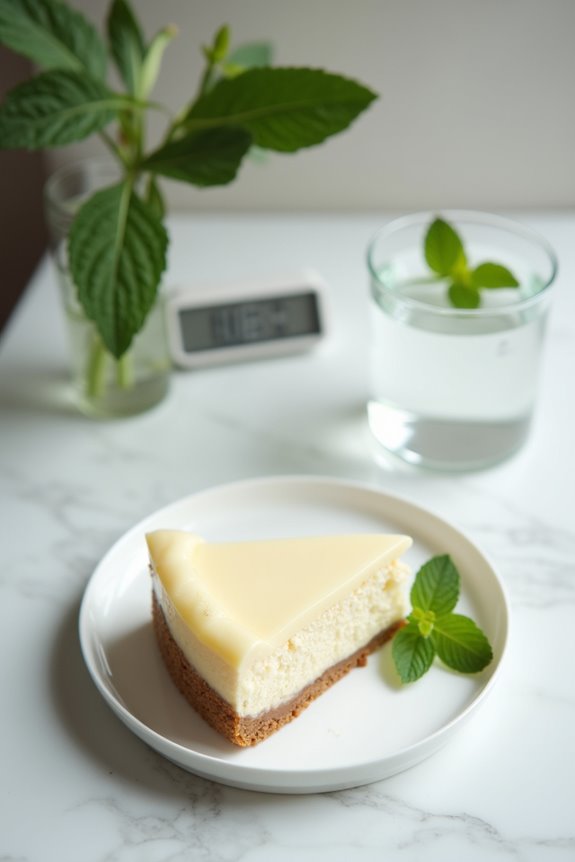
Which cakes won’t derail your healing? You’ll want to prioritize soft cake varieties that feel gentle against your extraction sites.
- Sponge, chiffon, or angel food cakes—their airy crumb structure dissolves easily without requiring aggressive chewing
- Cakes topped with non-sticky frosting like Swiss meringue or whipped cream—these won’t cling to your wounds
- Plain or lightly flavored options without nuts, seeds, or crunchy toppings that irritate healing tissue
Temperature matters too. You can enjoy your cake cold or at room temperature, but skip anything warm that’ll aggravate your gums. When you’re ready—typically after several days—cut impossibly small pieces and eat slowly, away from extraction areas. Sip water between bites to rinse away crumbs. You’re joining countless others who’ve navigated this successfully. Choose wisely, and you’ll satisfy your cravings without compromising recovery.
When to Stop and Contact Your Dentist
How do you know when cake enjoyment crosses into concerning territory? Your body sends clear signals. Stop eating cake and contact your dentist immediately if you experience severe pain, swelling, fever, or pus—these suggest infection or dry socket, a painful complication where the blood clot dislodges. If bleeding persists beyond 48 hours despite gentle pressure, seek dental guidance promptly. Watch for persistent numbness lasting more than a week, as this warrants professional evaluation. Cake crumbs lodged in the socket that won’t rinse away? That’s your cue to call. Likewise, if you’re struggling with soft foods or notice no healing progress after seven days, your dentist needs to know. Pay attention to these warning signs—they’re your post-op care guide, keeping your recovery on track.
How to Eat Cake Without Damaging Sockets
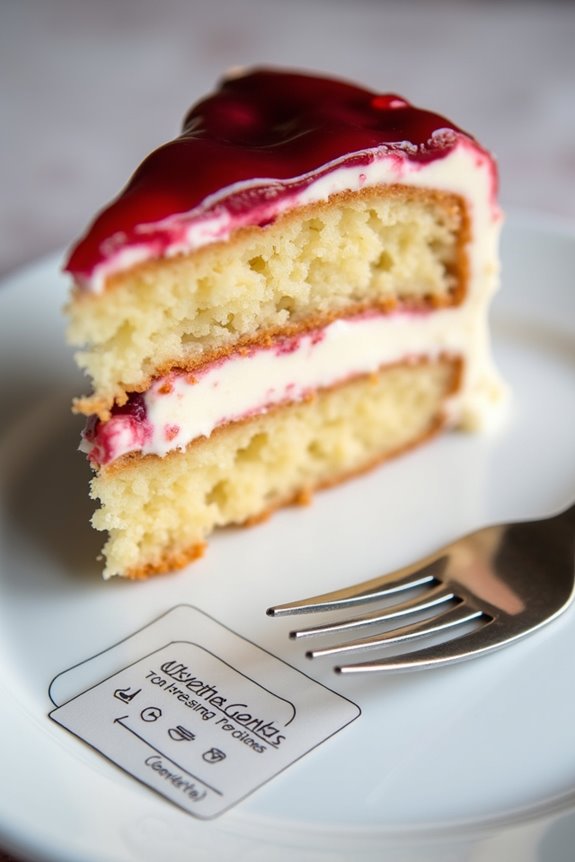
After careful balance between craving something sweet and protecting your healing extraction sites, you’ll want to approach cake strategically—choosing soft, crumb-free varieties and timing your indulgence right.
After wisdom teeth removal, you’re navigating unfamiliar territory where soft foods become your allies. To safeguard blood clot protection, follow these strategies:
- Select angel food or spongy varieties completely free of nuts, seeds, and crunchy layers
- Take small bites and chew deliberately away from extraction sites, using water to gently rinse away crumbs
- Choose room temperature or cool cake, then rinse with warm salt water afterward
You’re joining countless others who’ve successfully reclaimed dessert enjoyment. By respecting these boundaries now, you’re investing in smoother healing and faster recovery. Your future self—savoring cake without complications—will thank you.
Gentle Swaps: Cake Alternatives for Early Recovery
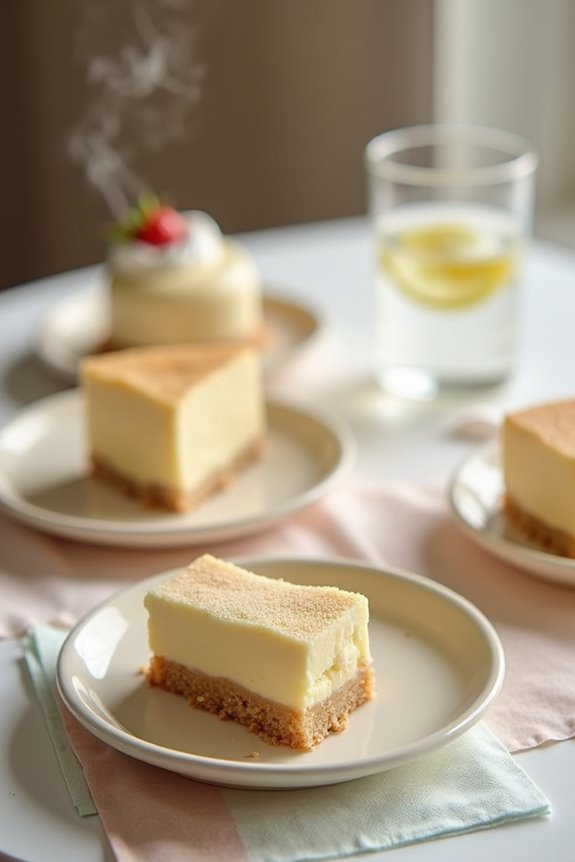
During early recovery, gentle food swaps become your support system against frustration. Instead of wrestling with soft cakes that still demand careful navigation, you’ll discover equally delicious alternatives requiring minimal effort.
Yogurt parfaits—creamy, cold, protein-rich—deliver that indulgent satisfaction without extraction site stress. Applesauce, smooth and naturally sweet, glides down effortlessly. Puddings in chocolate or vanilla offer luxurious texture alongside nutritional benefits. These alternatives require zero chewing, eliminating clot-disruption risks entirely.
You’re not sacrificing enjoyment; you’re strategically choosing foods that support healing while honoring your cravings. By embracing these gentler options during your recovery window, you’re actively moving toward enjoying full cakes again. Think of them as temporary allies in your post-extraction journey.
Your Recovery Timeline: Cake and Beyond
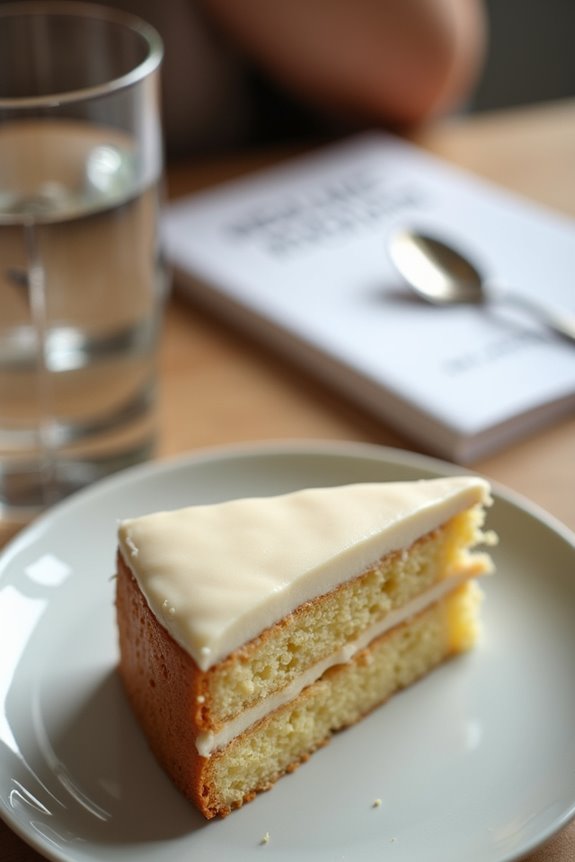
Your recovery unfolds in distinct phases, each with its own cake-readiness threshold—and understanding where you stand matters more than you might think. From those first 24 hours when you’ll stick to ice cream and yogurt, through days 2–7 when you’ll cautiously introduce small, feather-soft bites of angel food or sponge cake, to week 2 and beyond when you’ll gradually reclaim your favorite desserts, you’re teaching your mouth to trust again. By following this timeline—respecting the initial no-cake zone, embracing progressive healing stages, and expanding your diet as your dentist guides you—you’ll find that patience leads to real, lasting enjoyment.
First 24 Hours After Surgery
How tempting it’d be to celebrate your procedure with a slice of cake—yet those first 24 hours demand restraint, not indulgence. Your body’s forming protective blood clots, and you’re part of an exclusive club: the newly-healed. This critical window requires strategic choices.
Avoid cake entirely during this initial phase. Instead, embrace:
- Yogurt—smooth, protein-rich, cooling against tender sites
- Applesauce—naturally soft, requiring minimal chewing effort
- Bone broth—warm comfort that supports healing without disruption
You’re building momentum toward recovery. Temperature matters too—skip scorching or freezing options that irritate healing tissue. When you finally do indulge in that spongy angel food cake around day two, you’ll appreciate it far more, knowing you’ve protected your wisdom teeth removal sites with disciplined care.
Days 2-7: Progressive Healing Stages
By day two, you’ve crossed the hardest threshold—and now comes the rewarding part where small indulgences feel earned. Your swelling peaks around days 2–3, so keep portions minimal and cake impossibly soft. Think angel food or sponge varieties that dissolve on your tongue without resistance.
By days 3–4, you’re ready for gradual expansion. Introduce small bites of tender cake, always chewing away from extraction sites to protect those blood clots. Absolutely skip nuts, crunchy toppings, and sticky frosting through day 7—they risk dislodging clots and derailing healing.
Keep cake cool or room temperature, then rinse gently with warm salt water afterward. You’re rebuilding confidence in eating while honoring your body’s recovery. That first bite tastes like victory.
Week 2 Onward: Gradual Diet Expansion
When does cake stop feeling like a guilty pleasure and start feeling like a celebration again? By week two, your healing has progressed enough to welcome sponge cake, angel food, and similar gentle textures.
As you reintroduce softer varieties, follow these guidelines:
- Chew slowly with small bites, avoiding hard nuts, seeds, and crusty edges
- Choose moist cakes served at room temperature to minimize gum irritation
- Sip water alongside meals to wash away crumbs around extraction sites
This careful expansion marks real progress. You’re not just eating cake; you’re reclaiming normalcy through intentional, mindful choices. If increased pain or swelling emerges, pause and consult your dentist—your healing timeline remains uniquely yours.